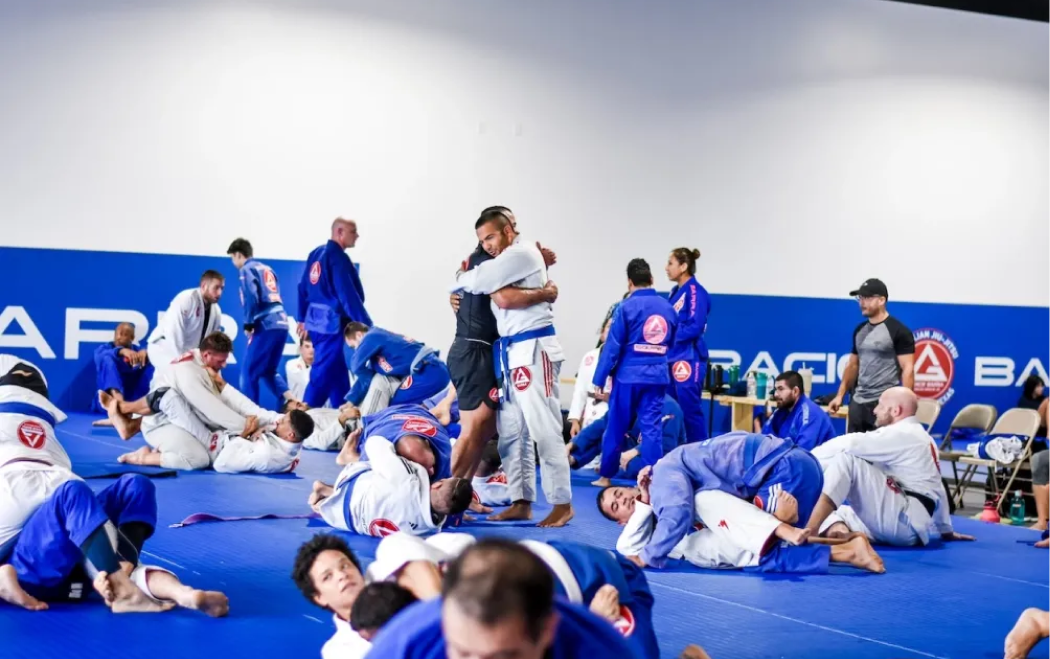
You Can Miss Training and Still Feel Nervous About Going Back
Returning to Jiu-Jitsu can feel harder than starting. You remember what training used to feel like, but you may worry about being tired, forgetting techniques, or seeing former training partners move ahead. A useful return begins with accepting your current starting point and choosing a manageable way to practice again.
If you are considering coming back to Gracie Barra South Miami, build your return around three priorities: reconnect with what you value, set realistic expectations, and change what interrupted training before. These give you a reason to return and a practical way to begin.

DISCOVER Gracie Barra South Miami
CLICK HERE1. Reconnect with Your Reasons for Returning to Jiu-Jitsu
Think about what you actually miss. Perhaps it is working through a problem with a partner, recognizing a position that once confused you, or having an activity outside work and family responsibilities. Those are specific reasons to return, even if competition or belt progression no longer interests you.
The focus and social connection in adult Jiu-Jitsu may also explain why ordinary exercise has not replaced the experience. Practicing with another person asks for attention, communication, and shared effort. If that was the part you valued, reconnecting with it can matter more than reproducing your old performance.
There is also unfinished learning to revisit. You may remember an escape but struggle with its timing, or recognize instructions without executing them smoothly. That gives your return a practical purpose: find out what remains familiar and what needs patient review. You do not have to recover everything in one session.
2. Match Your Expectations to Your Current Ability
Your previous experience is useful information, but it does not determine how demanding your first week should be. Time away can leave a gap between remembering what to do and feeling comfortable doing it with a partner.
Training after a break does not have a single timetable. Someone who missed a few weeks and stayed active may need a different starting plan from someone returning after years away. Describe what you have been doing recently, rather than giving only your belt or the date you last trained. That helps the conversation focus on your present situation.
Leave Comparisons Out of the First Sessions
A former teammate may now have more experience, and someone newer may handle a position better. Neither comparison tells you whether your own return is going well. Notice whether you can follow the lesson, communicate clearly, and identify one detail to work on next time.
Revisiting fundamental movements and learning at a comfortable pace is a reasonable choice for an experienced person returning after a break. Ask questions when a step feels uncertain. Trying to hide a gap makes it harder for an instructor to help.
Separate Technical Practice from Proving Your Fitness
Do not use the first class to test whether you can still complete every round at your old intensity. Agree on an appropriate starting workload with the instructor, including whether and how to take part in live practice. General NIH guidance on restarting physical activity supports beginning gradually; it does not prescribe a grappling schedule.
3. Build a Routine That Solves Your Previous Obstacles
Enthusiasm alone will not solve an unchanged obstacle. If late workdays repeatedly kept you away, choose a different available time. If you tried to train too often, begin with fewer commitments. If every class felt like a contest, discuss how to approach practice differently before returning.
If boredom drove the break, name what felt repetitive or frustrating. A different learning goal may help, but first decide whether you still enjoy the practice itself.
For a return to Gracie Barra South Miami, compare the current class schedule with your actual week in West Kendall. Include the trip, changing clothes, and getting home. A class that technically fits your calendar may still be unrealistic if reaching it means rushing every time.
Choose an initial attendance plan you can repeat during an ordinary week. More sessions can become an option later; they do not need to be the price of restarting.
Prepare for Your First Class Back
Give the Instructor a Clear Picture Before You Join In
Explain how long you have been away, your previous experience, and what concerns you about returning. Ask which class fits your present situation and what participation should look like initially. The academy’s answers about fitness levels and attendance provide context, but a conversation helps address your individual circumstances.
Check that your Gi fits, pack clean training clothes, and confirm any current requirements rather than relying on old habits. During partner work, say that you are returning and agree on the task and pace. Communicate when you need to pause instead of assuming your partner understands.
If an injury or health condition interrupted training, get appropriate guidance about returning to contact practice. An instructor can help organize participation, but cannot replace medical advice about unresolved symptoms or restrictions.
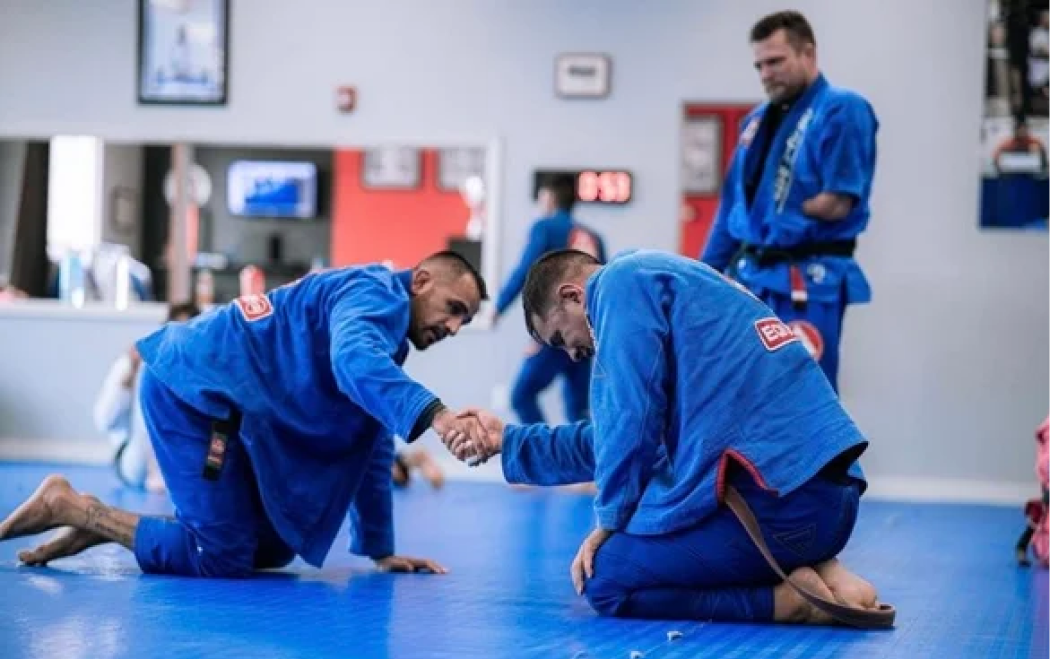
Use the First Few Classes to Adjust Your Plan
After each session, note what felt manageable and what needs clarification. For example, you might follow a demonstration comfortably but lose track once resistance increases. Tell the instructor that specific observation rather than deciding that you have forgotten all your Jiu-Jitsu.
A short note about one correction gives the next class a clear purpose. This approach connects with deliberate practice and keeping a training journal: review something identifiable instead of collecting a long list of mistakes.
Also review the practical side. Did the session fit your responsibilities? Was the workload manageable afterward? Adjust one element at a time. If you miss a planned class, reschedule rather than treating the interruption as another failed comeback.
DISCOVER Gracie Barra South Miami
CLICK HEREYour Return Can Have Different Goals This Time
Coming back makes sense when you still value the practice and can give it a workable place in your life. You may want enjoyable exercise, regular learning, or time with training partners. Those reasons do not require you to train as you did years ago.
At Gracie Barra South Miami, begin by asking where your experience and current needs fit. Then judge the return by whether you are learning, communicating, and building a routine you want to continue. Your first class back is a starting point, not a verdict on what you used to know.